Rotator Cuff Tears: When repair is worth considering
A rotator cuff tear is one of the most common reasons people seek specialist advice about shoulder pain. It can affect sleep, strength, comfort, and the ability to use the arm normally.
Some tears can be managed successfully without surgery. Others are much more likely to benefit from repair.
What is the rotator cuff?
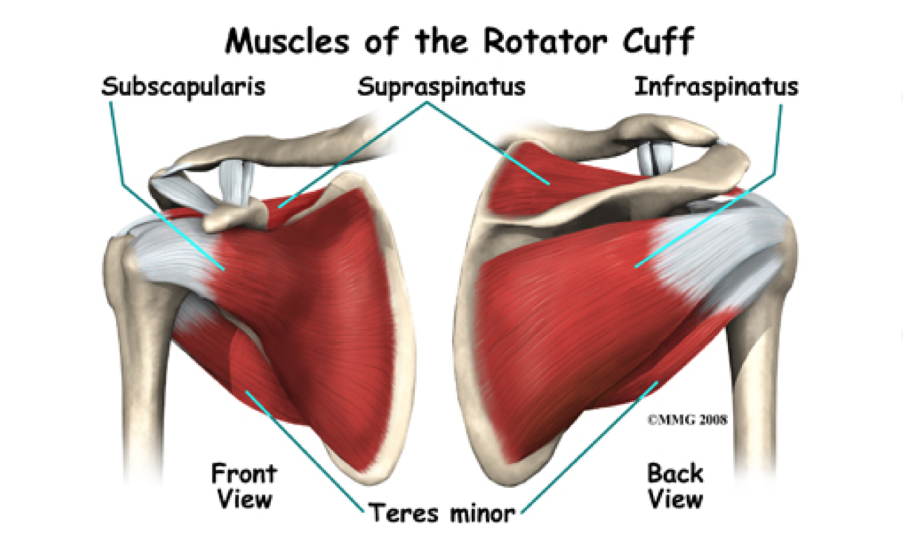
The rotator cuff is a group of tendons that help lift and rotate the arm, while also keeping the shoulder joint balanced and stable. When one of these tendons tears, the shoulder can become painful, weak, and less reliable.

Common symptoms
Patients with a rotator cuff tear may notice:
pain when lifting the arm
pain reaching overhead
night pain
difficulty sleeping on the affected side
weakness
loss of confidence using the shoulder
difficulty with work, gym, sport, or daily activities
Not every tear needs surgery
This is important. A rotator cuff tear on a scan does not automatically mean an operation is required.
Some tears are:
partial thickness
small
degenerative
minimally symptomatic
manageable with physiotherapy and activity modification
In those cases, non-operative care may be entirely appropriate.
When surgery becomes more reasonable

Repair becomes more worth considering when:
pain is persistent
the shoulder remains weak
sleep is regularly disturbed
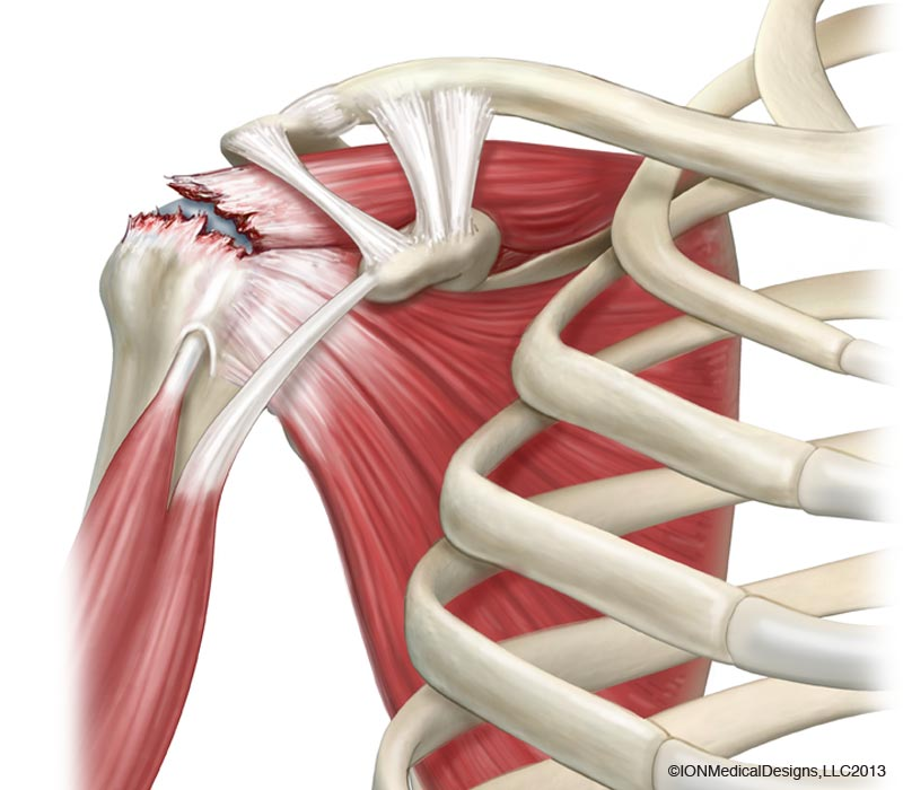
the tear is full thickness
there is loss of function
the patient is active and wants better restoration of strength
the tear is at risk of getting larger or more retracted
a good trial of non-operative treatment has not been enough
Why waiting is not always harmless
Some tears remain stable. Others do not.
Over time, certain cuff tears can:
enlarge
retract
develop muscle wasting
become harder to repair
become less likely to heal well after surgery
That does not mean every tear should be rushed to theatre. It does mean that timely expert review matters.
What modern repair can involve
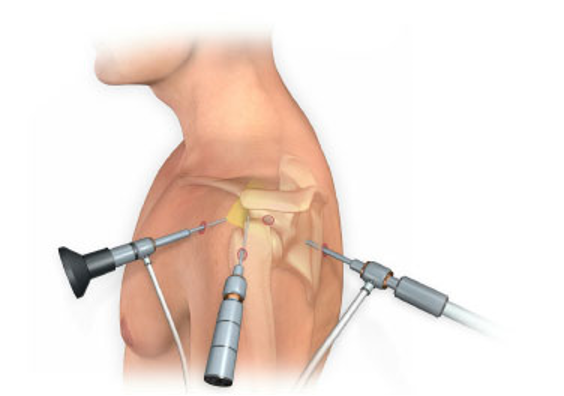
Rotator cuff repair is commonly performed arthroscopically through small incisions.
Modern techniques may include:
detailed assessment of tear pattern
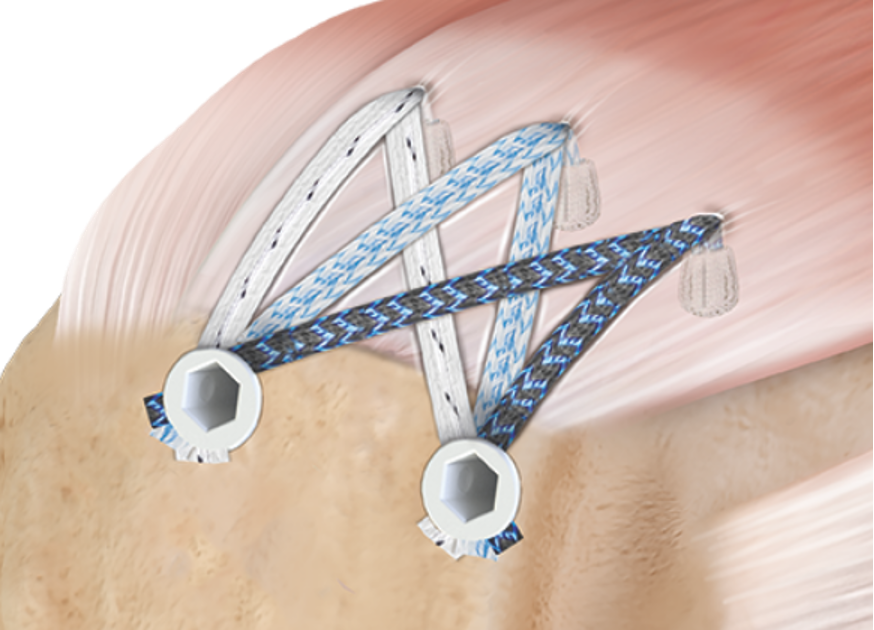
secure anchor fixation
biomechanically improved suture configurations
management of associated biceps problems
augmentation in selected cases
structured rehabilitation tailored to tear size and tissue quality
The aim of surgery
The purpose of rotator cuff repair is not simply to close a tear. It is to reduce pain, improve strength and function, and give the tendon the best possible environment to heal.
If you have ongoing shoulder pain, weakness, or night pain and have been told you may have a rotator cuff tear, an expert assessment can help determine whether continued conservative treatment is reasonable or whether repair should now be considered.